
Why isn’t my law firm showing up on Google?
September 27, 2026How can my law firm get more leads online?
September 27, 2026The Quick Answer
A law firm website should clearly explain who you help, what legal services you provide, where you practice, why potential clients should trust you, and how to contact you. At minimum, it should include practice area pages, attorney profiles, location information, reviews or testimonials where permitted, FAQs, trust signals, and prominent consultation/contact options.
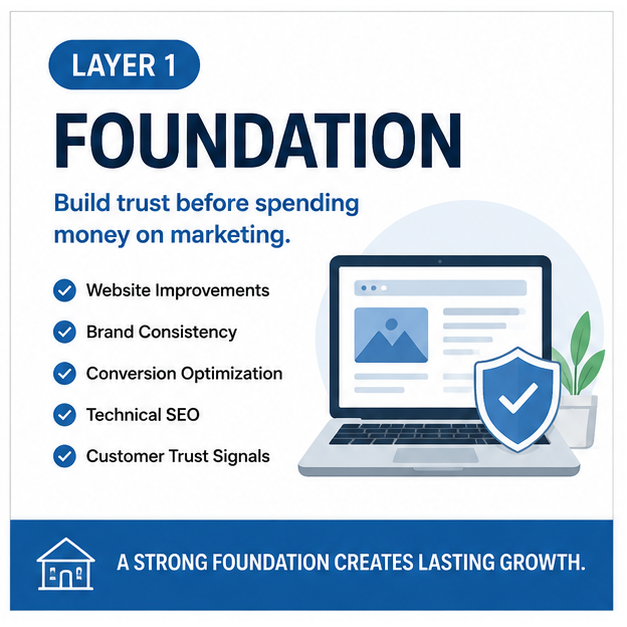
Your Local Authority Takeaway
Your law firm website shouldn’t feel like an online brochure or attorney résumé. It should answer the questions a potential client has before they are ready to call you.
For a Raleigh-area law firm, that means building useful content around your specific practice areas, attorneys, experience, communities served, and the questions prospective clients are actually asking. Then compare that experience with the firms appearing alongside you in Raleigh-area search results. Your website doesn’t simply need to be “good.” It needs to give prospective clients better reasons to understand, trust, and contact your firm.
Main Answer
A potential client visiting a law firm’s website is usually trying to answer a few basic questions:
Can this attorney handle my problem? Can I trust them? Do they serve my area? What happens next?
A strong law firm website should make those answers easy to find.
1. Clear Practice Area Pages
Don’t put every legal service on one generic “Practice Areas” page. Major services should have dedicated pages explaining the types of cases the firm handles, common client questions, the general process, and what someone should do next. For example, a Raleigh family law firm might have separate pages for divorce, child custody, child support and other significant services rather than expecting one page to rank and convert for every topic.
2. Strong Attorney Profile Pages
Attorney profiles are some of the most important trust pages on a law firm’s website.
Include professional experience, education, bar admissions, relevant credentials, areas of practice, professional memberships and—most importantly—information that helps a prospective client understand why this attorney may be able to help with their situation. Don’t treat the page as a résumé dump.
3. Location and Service-Area Information
Clearly communicate where the firm practices.
A Raleigh-area firm may serve clients throughout Raleigh, Cary, Apex, Holly Springs, Fuquay-Varina, Garner and other Wake County communities. But avoid creating dozens of nearly identical city pages just to target keywords. Location content should provide genuine information relevant to clients in that market.
4. Trust Signals
Prospective clients are being asked to trust your firm with an important legal matter. Give them evidence.
Useful trust signals can include:
- Attorney credentials and bar admissions
- Awards and professional memberships
- Client reviews or testimonials where ethically permitted
- Case results when appropriate and compliant with applicable rules
- Media appearances and publications
- Community involvement
- Clear office and contact information
5. Answers to Real Legal Questions
This is increasingly important for both traditional SEO and AI-driven search. Create FAQs, articles, and an Answer Center addressing the questions prospective clients actually search for, such as:
“How long does a divorce take in North Carolina?”
“What happens after a DWI arrest in Raleigh?”
“Do I need an attorney for a child custody case?”
Helpful, clearly structured answers can demonstrate subject-matter expertise while giving search engines and AI platforms understandable content to reference.
6. Clear Calls to Action
Don’t make visitors hunt for the next step. Phone numbers, contact forms, consultation buttons and office information should be easy to find—especially on mobile devices.
A visitor who decides your firm may be right for them should immediately understand how to contact you and what happens next.